
For many of us over the past 18 months, our homes have become the workplace, the playground and the sanctuary all rolled into one. The amount of time we spent, and now spend, indoors has made us value our great outdoors even more and recognise the importance of greenery and nature on our wellbeing. And so, the desire to bring the outdoors in has never been stronger.
If you’ve been wondering how and why to introduce plants into your home, check out these tips for a bit of plantspiration.
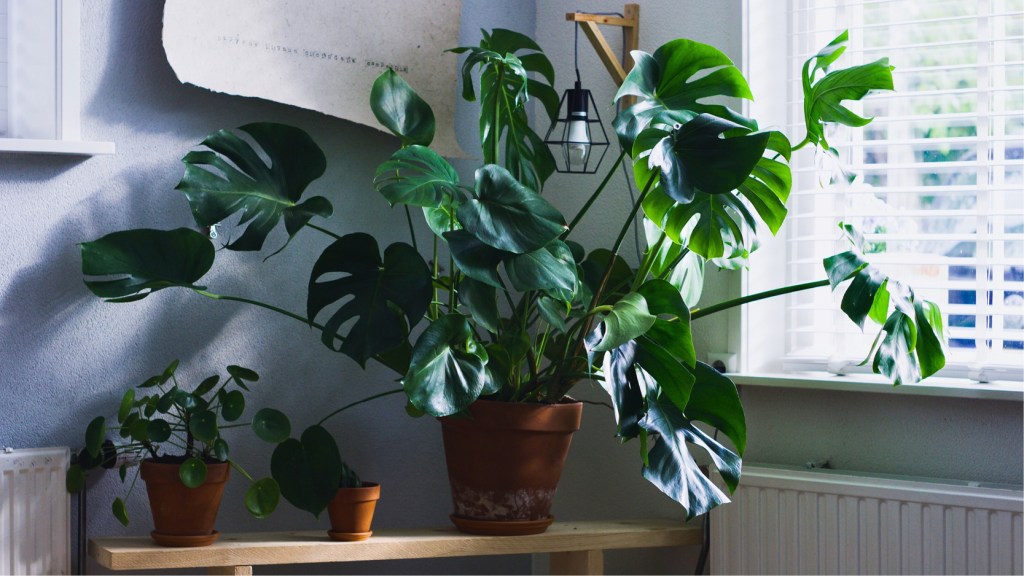
The trickiest part about bringing plants into your home is knowing how and where to style and display them, especially if you are short on space. Not all plants will look great in a pot in the corner, so you may need to get creative with your styling options. Consider different types and sizes of pots, with a range of colours and textures that compliment your home and style. And groups of odd numbers always seems to work best.
Choosing indoor plants and styling them can be a lot of fun! Start out with getting some advice on the best types of indoor plants to suit the natural light levels in your space and then experiment with lush leafy greens or plants with a more striking presence.
Hanging plants is a great way to bring some ‘green’ into a small or awkward living space. Create your own ‘living wall’ by using shelves or a pegboard. It’s a super simple way to style plants, and you can change it whenever you like.
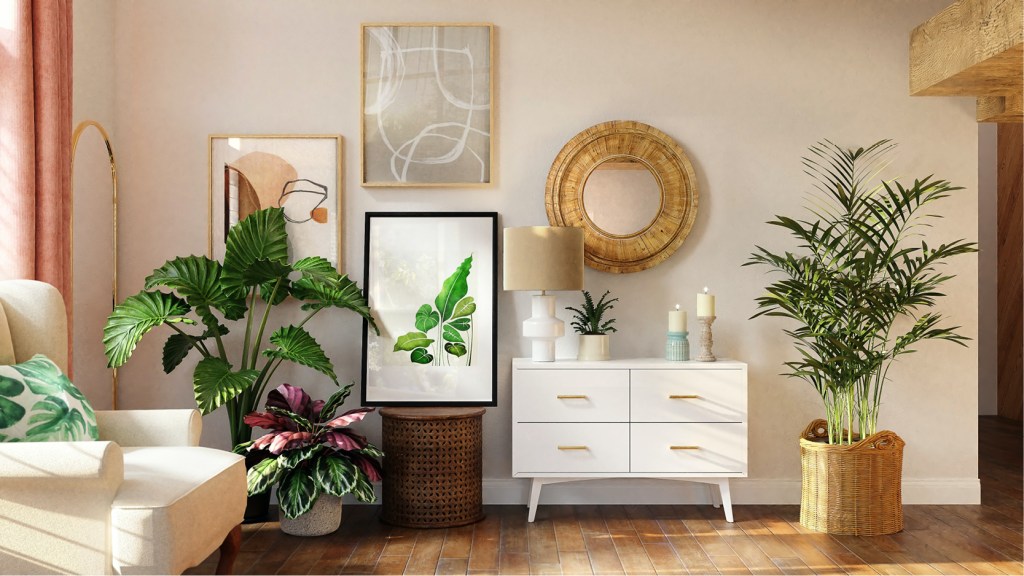
Some other leafy green trends to consider …
With flexible working arrangements (aka working from home) here to stay for the foreseeable future, have you set up the workspace in your home for maximum productivity and happiness? Plants have been shown to help with focus, and people are more productive in greener spaces.
Try to make use of shelving to add some lush greenery without losing any desk space. You’ll want to make sure you choose low-light intolerant plants if your office/workspace lacks natural light.

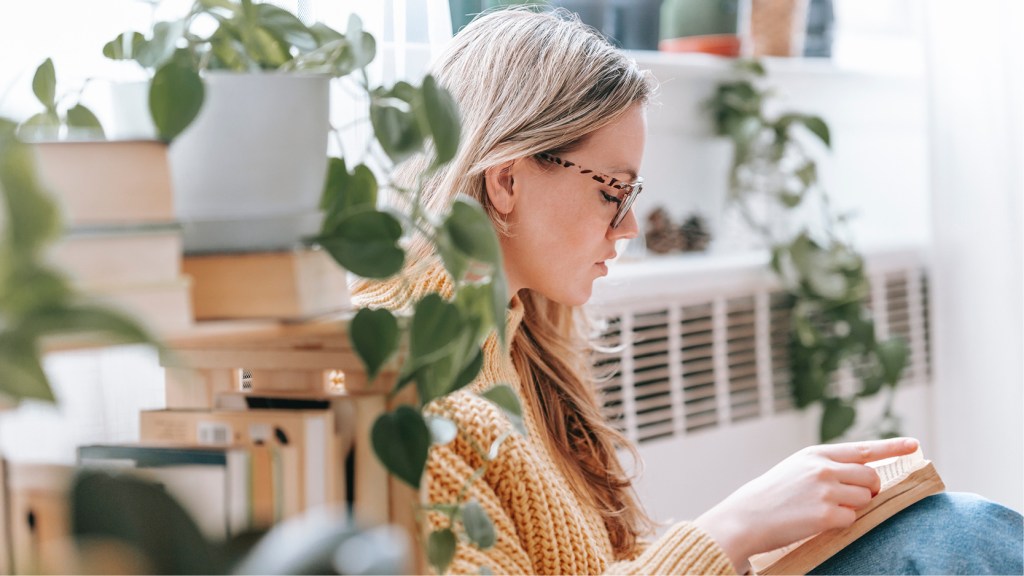
Besides the fact that they look great, studies have shown that spending time around plants can help to boost both physical and emotional wellbeing.
Biophilia, which translates literally as “love of life”, supports our innate tendency to seek connection with nature for its calming and energy-boosting effects.
Growing plants indoors helps us to relax because plants help us breathe better air. They filter out toxins and help purify the air, even acting as natural humidifiers by adding moisture to the air. Just one plant per room can help purify the air.
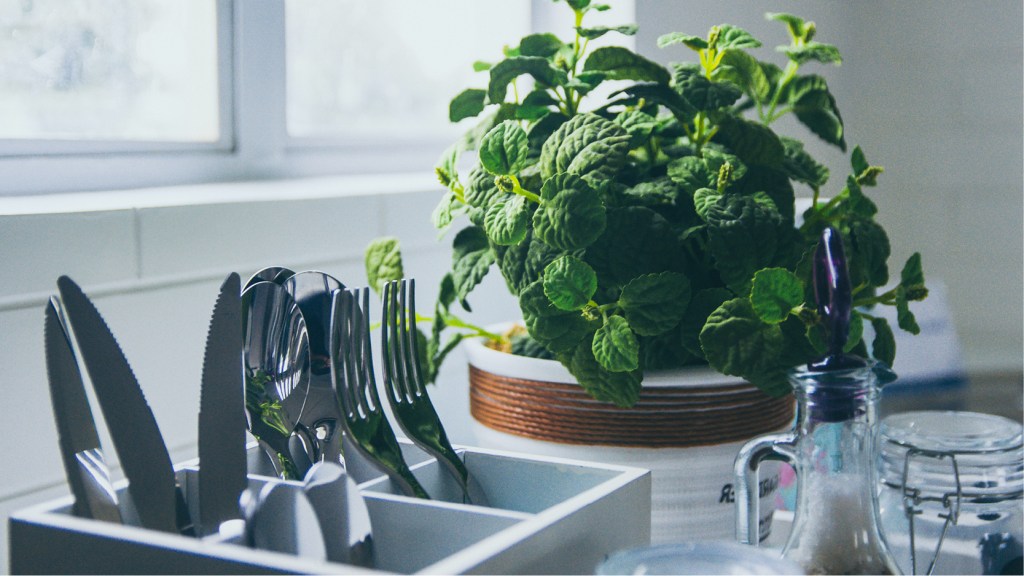
There are indoor plants for health, and there are indoor plants that are simply delicious! Meaning, you can try growing herbs to consume fresh or add to your cooking to ‘spice’ up your meals. Thyme or Curry Leaves for example are easy to grow indoors and perfect for cooking. You could even try growing herbs that you can dry and use to make herbal tea.
With home-schooling, the norm for so many families, try creating a nature station – a space within the home where the kids can connect with nature and explore the details and textures. They will learn new skills, have fun, play and develop an understanding and responsibility in caring for plants and even growing their own food.
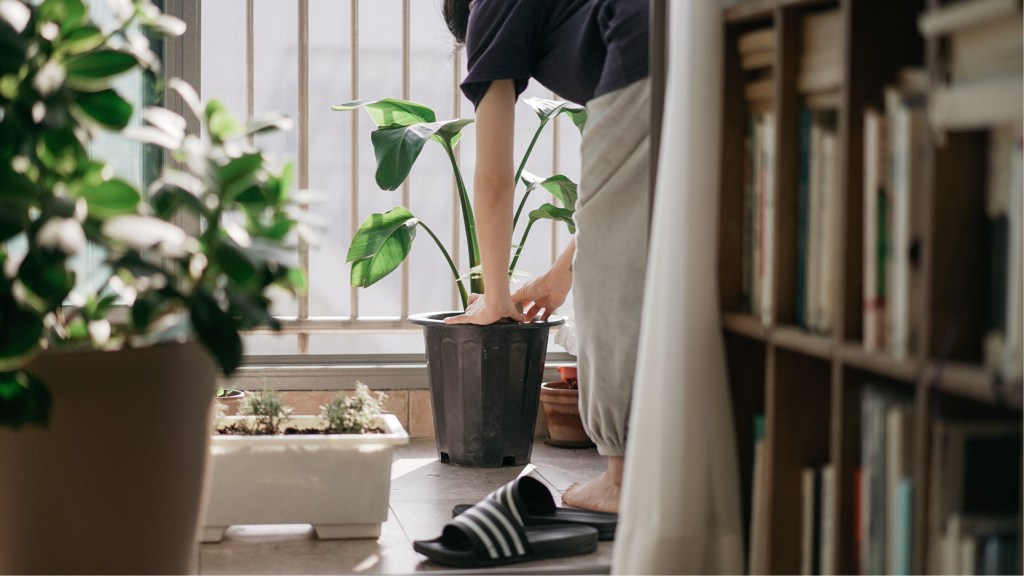
The visual, mental, and physical health benefits that indoor plants can provide make them an asset to any home. The only thing you need to worry about, and the part that people have the most trouble with is keeping the plants alive and healthy. Manage to master this, and the plants will keep you healthy in return!
Stop by your local garden centre for some advice on the plants best suited to your indoor area and all the supplies you need to take great care of them.




 Donna Etchells - McGrath Estate Agents