
There’s an old saying that you should never judge a book by its cover, and this is true for houses – after all, who would buy one having never seen more than the front door? Open inspections are opportunities to flick through the pages, and here’s how to take full advantage.
Use your senses
Sniff, peer, listen and feel as much as you can. Your nose might pick up a mouldy or musty smell that may mean dampness. You might spy hidden cracks that could mean structural issues. That clattering sound when the water is running can indicate serious plumbing problems.
Don’t be distracted
Anyone can invest money in pretty cushions and lamps or bake some cookies just as the open inspection starts so the house smells cosy and homey. But when buying property, you need to look past the perfectly presented and lit lounge room to the size, shape and placement in the floorplan of the actual space and imagine how you and your family will use it.
Look up
Check the roof on the way in and look at the ceilings in the rooms. Dampness and leakage issues are costly and notoriously hard to fix.
Kitchen and bathroom advice
It’s true what they say. If these two rooms aren’t how you would like them to be, are you prepared to live with them or spend the money required to transform them? Kitchen renovations are costly, with Australians spending between $15,000 to $40,000, provided that the room is in good condition and doesn’t need any significant structural renovation. And renovations or adding more bathrooms for your growing family are expensive! So these 2 rooms are the most important to check out.
Stickybeak around the street
If you have time, arrive 15 minutes before the open home to walk down the street and through the central area of your potential new neighbourhood.
The suburb cruise can be more illuminating than you might think. If you want to buy into a suburb with a good school or great cafes, try walking between the home and those areas.
If there’s no secure parking on the property, check out the street – is there plenty of room for you to park your car? Does the road look well-lit and safe?

Ask your agent
What are the utilities like gas, electricity and water costing the current residents? A home with large windows seems bright and sunny, but it can also make for more drafts in winter and warmer rooms in the summer – both problems that make for higher utility costs. It’s also important to ask about previous repairs and renovations; if something goes wrong, it can be good to have a history.
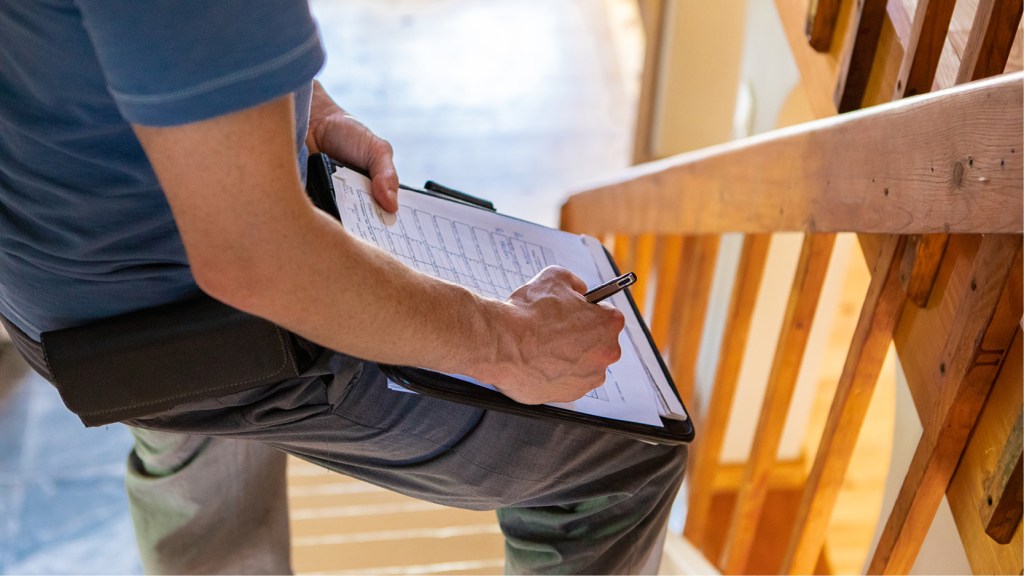
Have a pre-purchase building and pest inspection.
This may seem like a no-brainer, but many houses are bought and sold without one. Home inspectors are trained to find flaws in a home that your untrained eye may never see as a problem but may cost a lot to correct down the line. If it’s your dream home, you may choose to buy it even with structural or pest problems, but you may be able to negotiate on price.
Thankfully, the open home inspection is the best part of the buying process. This is where you can explore someone else’s home (never underestimate how satisfying a good stickybeak can be) and imagine your own future. So don’t forget to have fun!




 Donna Etchells - McGrath Estate Agents