
Moving is stressful for everyone involved – including the fur kids. And unlike their humans, they can’t understand why their home life and routine have become so disrupted. Among the chaos and uncertainty, it’s easy for pets to feel displaced and for anxiety to arise.
When moving house with your dog or cat (or bird, hamster, lizard…whoever is part of the family!), you need to give them extra love and attention to help them adjust to their new environment.
WHY DO PETS GET STRESSED BY A MOVE
Not unlike their human owners, cats and dogs are creatures of habit. They’ve taken time establishing their home and familiarising themselves with the surroundings. This makes any change from their routine difficult.
Moving with pets means they must completely reorient themselves to their new environment.
There will be new sounds, smells, plants, and neighbours. All of this change can be pretty daunting to our pets.

SIGNS OF CAT AND DOG ANXIETY AFTER MOVING
Pets can express stress in many ways. These can vary from destructive and aggressive behaviour to inappropriate toileting, hiding, or sometimes even running away. Keep an eye on your pet’s behaviour once you’ve moved in and note any changes – it’s common for cats and dogs to exhibit anxiety by becoming more reserved or going off their food.
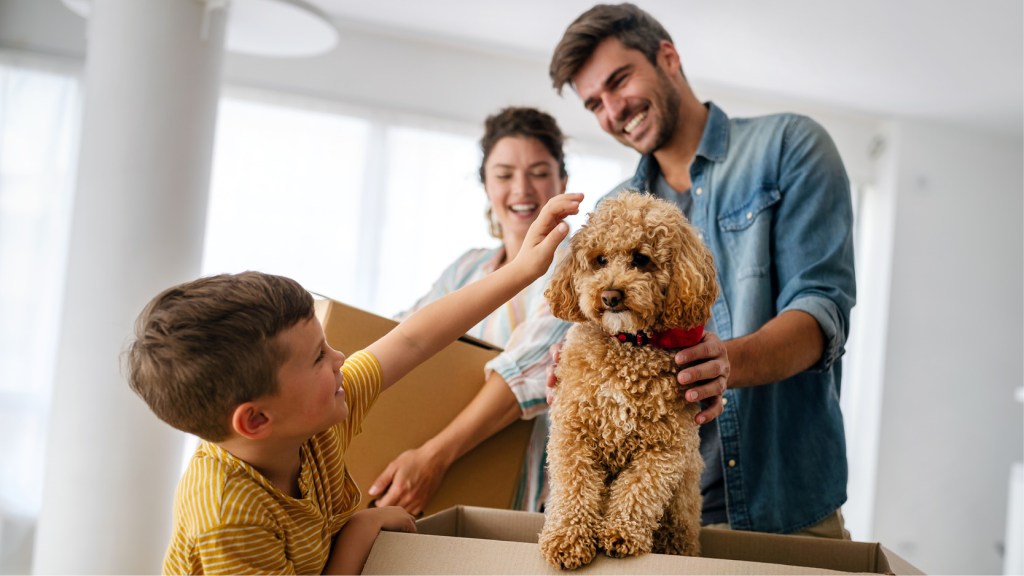
WHAT TO DO BEFORE THE MOVE
Whether or not your pet suffers from anxiety, you should prepare them for the move days in advance.
Animals are clever. They’ll pick up on the change of atmosphere when you pack up furniture, declutter spaces, and start deep cleaning.
Try to stick to their usual feeding and walk times as much as possible, even if it means cutting their walk shorter than normal. A good play session can do wonders for alleviating stress for your dog.
Keep any cat or dog crates in view well before the move, and get them accustomed to it beforehand. It won’t help to put them in a cage for the first time on the day of the move.
Remember to pet-proof your new home before your fur baby arrives. This includes:
- Removing any poisonous plants from the garden
- Checking the fence is secure
- Checking the house for any potential escape spots
- Removing any potential hazards from the home
- Ensuring all electrical cords are out of reach
- Designating areas for their food, water, bedding and/or litter tray.
If your pet might find moving difficult, book an appointment with your vet a few days before the move to determine if anti-anxiety medication could help keep them calm.

WHAT TO DO DURING THE MOVE
Moving day will be packed with commotion, so some might find it’s easier to take them to a pet daycare or a friend’s place for the day – preferably somewhere they’ve been before. Otherwise, keep them out of the action as much as possible, and ensure they have identification tags.
Make the car ride to the new home as comfortable for them as possible.
Their food, toys and bedding should be accessible so you can set everything up for them before they arrive. Having familiar items in the new home will help them settle in quickly.
TOP TIP! Pheromone sprays, collars and diffusers are natural stress relievers that can help calm your pet before, during and after a move.

WHAT TO DO AFTER THE MOVE
Once the moving truck has been unloaded and you’re officially moved into your new home, spend as much time with your pets as possible. Get them straight back into their regular routine of meals and walk times.
Try these steps to help them settle into their new surroundings:
- Place some of your clothes on their bedding so it smells more familiar.
- Keep your pet inside or supervised outside until they seem comfortable.
- Ensure you place extra water bowls around the home so they can always find water.
- Play music while you’re out to block out unfamiliar sounds.
Dogs might be uncomfortable being left alone in an unfamiliar environment. Once they’ve had time to settle in, leave them alone for short periods (just 5-10 minutes), and work your way up to longer durations.
Even if you’ve moved just a street away, don’t forget to update the details on their identification tags and microchip records to reflect the new address. And if you’re moving out of your area, you’ll need to find a new local vet and ensure they have your pets’ details on record.
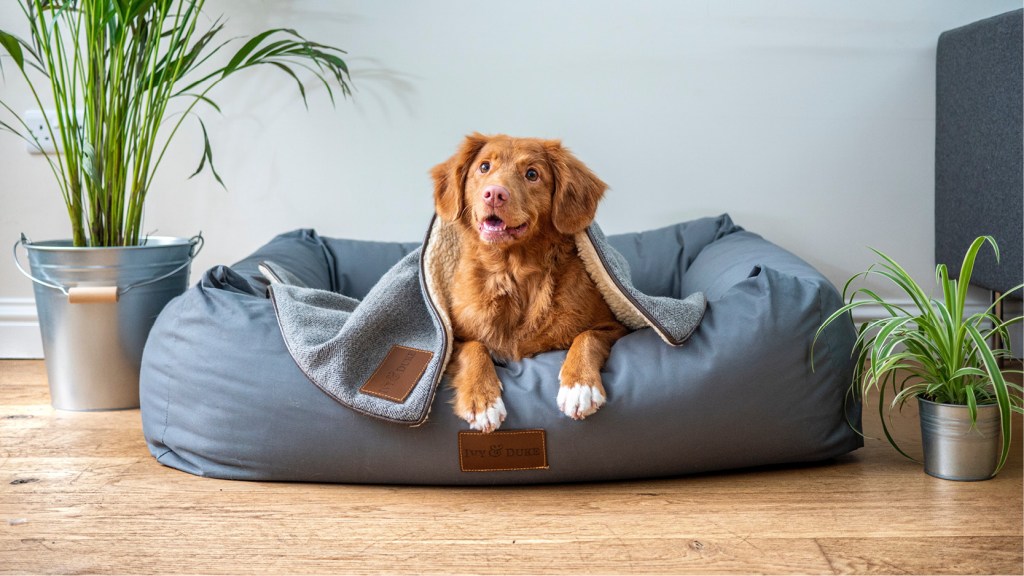
WHAT IF THEY STILL AREN’T COPING?
Some pets might take a couple of weeks to completely adjust to their new surroundings. However, in some cases, time isn’t enough.
If it’s been several weeks and your pet is still afraid to go outside, off their food or just out of sorts, they may need anxiety medication. Talk to your veterinarian, who can guide you if appropriate.
Pets are part of the family, and ensuring they feel comfortable in the new home is important. They’ll need additional support if they don’t seem to be coping with the move or being alone. Consult with a vet so they can devise a treatment plan to manage their condition.
Want your new place to stay free of fur and unwanted pet smells? It’s not as impossible as it might sound. Stay tuned next month for our Cleaning Hacks Blog post, which will help pet owners keep their homes in tip-top shape.




 Donna Etchells - McGrath Estate Agents