Creating spaces that support comfort, connection and wellbeing.
As winter settles across Sydney, our homes naturally become the centre of daily life.
We spend more time indoors, gather with family and friends, and seek out spaces that help us slow down and recharge. During the cooler months, our homes play a particularly important role in supporting our wellbeing – not just physically, but emotionally too.
The good news? Creating a home that feels nurturing and restorative doesn’t require a major renovation. Often, it’s the simple changes that make the biggest difference.
Let natural light do the heavy lifting.
Even during winter, natural light remains one of the most valuable elements in any home.
Open curtains and blinds during the day, position furniture to maximise sunlight, and keep windows clean to allow as much light as possible to filter through.
Natural light helps spaces feel brighter, larger and more uplifting – particularly during the shorter days of winter.

Create spaces that invite connection.
Winter naturally encourages us to gather indoors.
Consider how your living spaces support connection:
- Arrange seating to encourage conversation
- Create a comfortable space for family movie nights
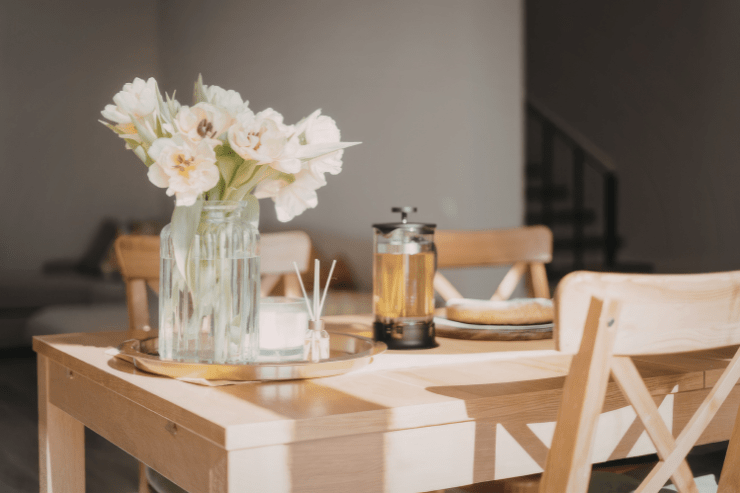
- Design a dining area that feels welcoming for long lunches and dinners
The most memorable homes aren’t necessarily the largest – they’re the ones that bring people together.

Bring nature indoors.
Spending less time outside makes it even more important to maintain a connection with nature.
Indoor plants, fresh greenery, seasonal flowers and natural materials such as timber, stone and linen can all help create a calming atmosphere.
These elements add warmth and texture while making a home feel more grounded and inviting.
Embrace comfort without clutter.
Comfort doesn’t have to mean overcrowding a space.
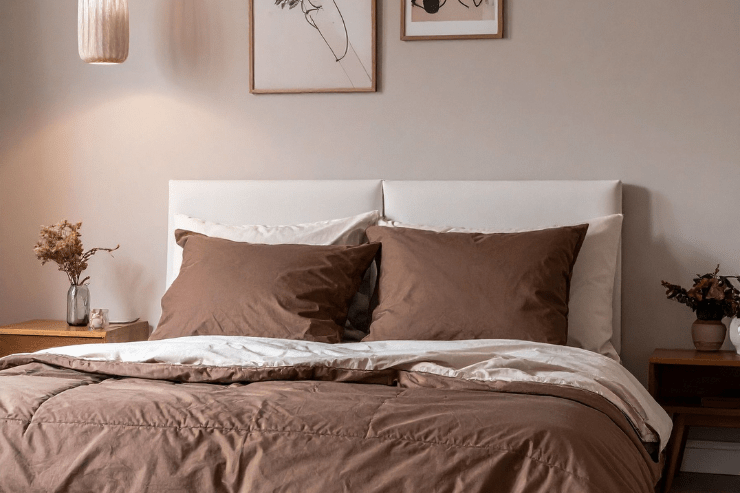
Layering soft furnishings such as throws, cushions and rugs can instantly make a room feel warmer while still maintaining a clean, considered aesthetic.
The goal is to create a sense of comfort that feels effortless rather than overwhelming.
Prioritise the spaces you use most.
Not every room needs attention at once.
Focus on the spaces where you spend the majority of your time:
- Living rooms
- Bedrooms
- Home offices
- Outdoor entertaining areas
Small improvements in these areas can significantly improve your daily experience at home.

The connection between home and wellbeing.
A well-designed home supports more than just functionality. It can influence how we relax, connect, work and recharge.
As winter encourages us to spend more time indoors, it’s worth taking a moment to consider how your home makes you feel.
Comfort, light, warmth and connection aren’t just desirable features – they’re the foundations of a home that supports wellbeing throughout every season.
And interestingly, these same qualities are often what buyers respond to most when they walk through a property.
Whether you’re staying put or considering a move in the future, creating a home that feels good to live in is always a worthwhile investment.