The questions to ask before you start spending
It’s a conversation I have with homeowners all the time.
“Donna, should we renovate before we sell?”
Sometimes the answer is yes.
Sometimes a few carefully chosen improvements can make a meaningful difference to how a property presents and how buyers respond to it.
But there are also plenty of occasions when my advice is to put the renovation plans away.
Because when you’re renovating a home you’re about to leave, the question isn’t simply whether the renovation will make the property look better.
It’s whether it’s the right investment for your particular home, buyer and market.
Start with the reason you’re renovating.
Before deciding what to change, ask yourself what you’re hoping the renovation will achieve.
Are you addressing something that’s likely to concern buyers?
Are you trying to appeal to a different buyer group?
Or are you renovating because you assume buyers expect everything to be new?
That distinction matters.
A dated kitchen isn’t automatically a problem. Depending on the property and likely buyer, it may be something purchasers are perfectly comfortable updating themselves.
Spending money simply because something isn’t new can quickly lead to unnecessary work.
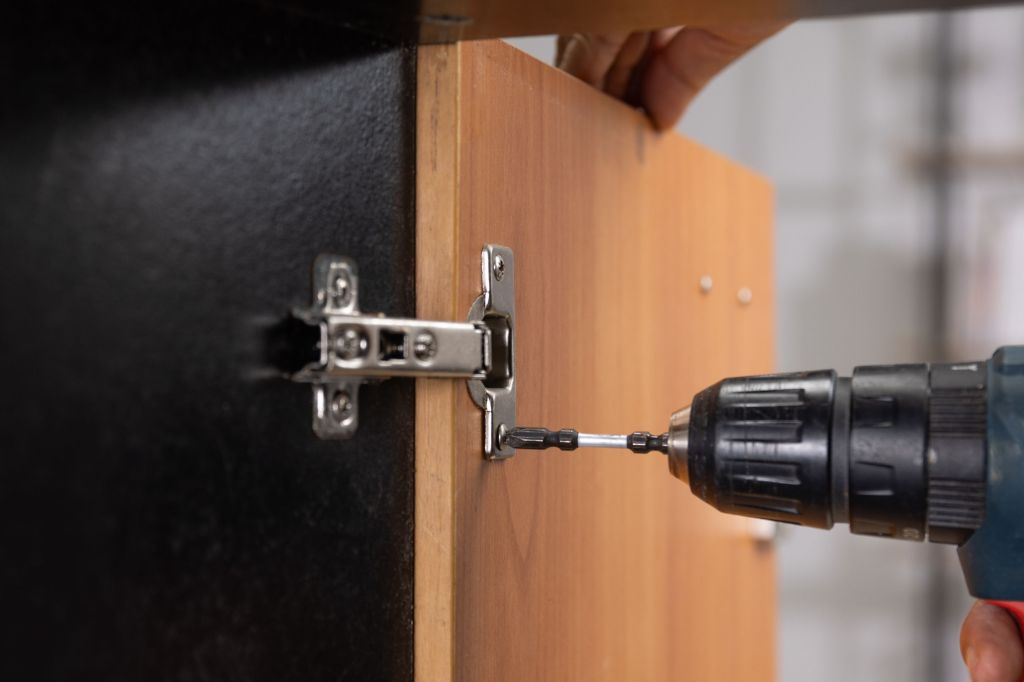
Repairs and renovations aren’t the same thing.
This is an important distinction.
There may be maintenance issues worth addressing before you sell – a leaking tap, damaged paintwork, broken fittings or other obvious defects that can distract buyers from the home’s strengths.
These are very different from replacing a functional kitchen, renovating bathrooms or making major structural changes.
Often, taking care of smaller maintenance items and presenting the existing home beautifully can have more impact than embarking on an expensive renovation.
Think about who is likely to buy your home.
One of the most important questions is: who are we renovating for?
Different buyers have very different expectations.
A family looking for a move-in-ready home may value a beautifully updated kitchen and bathrooms.
Someone purchasing a property for its location, land or renovation potential may prefer to make those decisions themselves.
And buyers looking for a substantial renovation opportunity may place little value on cosmetic improvements they expect to remove anyway.
Understanding your likely buyer before spending can save a great deal of time and money.
Consider how your home compares.
Your property doesn’t exist in isolation.
Before renovating, it’s worth looking at the homes you’re likely to be competing against when you come to market.
If comparable properties are beautifully renovated, some improvements may help your home compete more effectively.
But if buyers in your particular market are comfortable purchasing older homes and renovating over time, an expensive transformation may not be necessary.
This is where local market knowledge becomes particularly valuable.
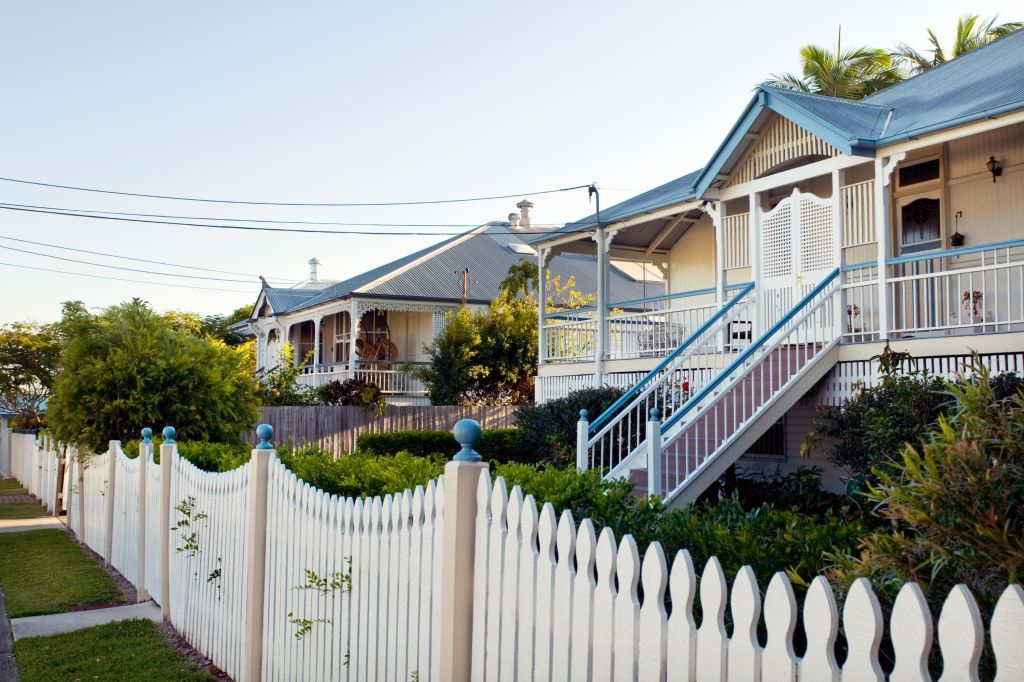
Be careful not to renovate to your own taste.
When we renovate a home we’re planning to live in, personal preference should absolutely play a role.
Renovating for sale is different.
Highly specific colours, finishes or design choices may appeal to you without necessarily appealing to the broader buyer market.
If improvements are worthwhile, they generally need to enhance the home while allowing prospective buyers to imagine themselves living there.
That often means knowing when to stop.
Will the renovation change the result?
This is perhaps the most important question of all.
Before committing to a significant spend, consider whether the work is likely to meaningfully change how buyers perceive the property – and whether that could translate into a stronger result.
A renovation costing tens of thousands of dollars doesn’t automatically add the same amount, or more, to the eventual sale price.
There are also the less obvious costs: time, stress, delays and the possibility of the project becoming larger than expected.
Sometimes the numbers make sense.
Sometimes they don’t.
What if the home needs a major renovation?
There are situations where the best strategy may be to do very little.
A property requiring substantial work can appeal strongly to buyers specifically looking for an opportunity to renovate and create something of their own.
In those circumstances, spending heavily to partially update the property may not change its fundamental appeal.
Instead, presenting it honestly and marketing its potential can sometimes be the more effective strategy.
Ask for advice before you spend
You don’t need to wait until the renovation is finished to speak with an agent.
In fact, I’d much rather have the conversation beforehand.
An experienced local agent can help identify which aspects of the property buyers are likely to respond to, how it compares with recent sales and whether the improvements you’re considering are likely to influence its market position.
That advice can help you prioritise where to spend – and, just as importantly, where not to.
Donna’s Perspective
“Before you renovate for a future buyer, find out whether that buyer actually wants you to.
I’ve walked through many homes where owners have a long list of improvements they think they need to make before selling. Often, that list becomes much shorter once we talk about the likely buyer, the property’s strengths and what will genuinely make a difference.
Sometimes the smartest preparation isn’t doing more. It’s knowing exactly what is worth doing.”
So, should you renovate before you sell?
There isn’t a universal answer.
It depends on the condition of your home, your likely buyer, the local market, your budget and what you’re hoping to achieve.
The important thing is to make that decision strategically rather than assuming renovation is always necessary.
If you’re thinking about selling and have a list of projects you’re considering, Team Etchells is always happy to walk through your home before you begin.
A conversation now could give you much greater clarity about what deserves your time and investment – and what you can confidently leave alone.